
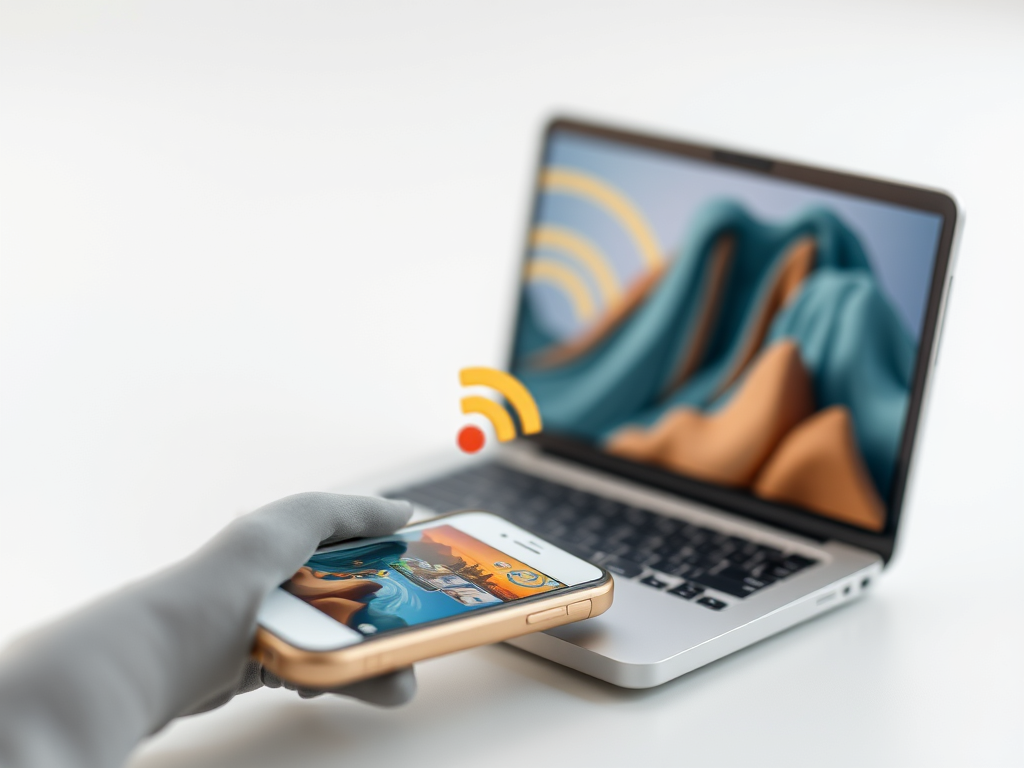
Moving your photos around

Photos – we seem to have more now than ever with every phone also being a camera and we are
happily photographing all and sundry, but how do we get them onto our computer?


As always there are many ways to accomplish this, but here is one way to get your photos from
your phone to your windows computer (on Apple devices, iPhone and Mac computers it happens
automatically over iCloud) :

Use your charge cable for the phone and plug it into your phone and into your Windows computer
and make sure your phone is unlocked. If your Photo app has been set up to import from the
phone, it will open automatically once connected. If nothing happens, go into your Photos app,
and find the Import tab on the top right of the app, then click import from a connected device. It
should now find your phone and will scan it for photos.

At this stage they have NOT been copied to your computer, you can now select ALL, NEW ONLY or
NONE to choose which photos to copy. Make sure you click ‘Import’ at the bottom to get things
going.

If you have an iPhone, the procedure is the same, but the Computer might identify your phone as
a USB Device, that’s OK.

If Windows cannot find your phone, your cable might only be a charge cable not a file transfer
cable, try another cable if you have one. Or, the USB settings on your phone are not set up for file
transfer. In either case you might need some more help.

Other ways to copy your photos could be using Google Photos, which will upload your photos to
the cloud, similar to the iPhone and you can then access and download them again on your
computer from your Google account. Or you could get real fancy and use Bluetooth or Nearby
Sharing, but that is easier explained in person.

Attach photos to emails and messages

How do you attach a photo to an email or send a photo with your mobile?

For emails it is usually easier to first write the email and then attach the photo – for messaging, selecting the photo first and then writing the message is best. But either option can be used in both cases.

The principle is always the same, regardless of which device or tool you use. Go into your photos folder/gallery and find the photo you want to send. Select it and then find the ‘share’ button. This can look for example like this: or like this: or you might have to right-click on the photo and select ‘Share’ from the menu that appears – it all depends on the device you are using. Once you have clicked ‘Share’ more options will appear, again depending on the device you are using. You can select email, SMS (MMS), messenger apps (Messenger, Whatsapp etc); try and avoid the person icons that might appear – it is not always obvious which app is going to be used to send. Once you click on the app you want to use, it will open and you can create and send the email, message as you usually would and the photo attaches itself to it. Try it out to see how it works!

If you want to send more than one photo it is generally easier working the other way around: create your email or message and before you send find the attachment icon. Now this time it might be a paperclip, a small picture or variations of these – you will have to do a little looking around. Once you click that icon you will be given options to look for your photos in their folders and you can select more than one, just by clicking on the individual photos. When you are done, select Done or similar and you will be taken back to your email or message and can send it.

Just a word of warning, photos can be quite large and sometimes you can only send 2 or 3 photos at once before you get an error message, in that case send multiple messages or use a cloud sharing option.

You can use most cloud services (Google Drive, Dropbox, OneDrive…) for this. Just upload your photos to your cloud and then ‘share’ (usually a right-click will offer this option) using email or messaging. It will create a clickable link that allows the recipient to access those photos (but nothing else on your cloud drive). The receiver of the link does not need to have the cloud service themselves, as the photos are displayed directly in a browser (Chrome, Edge, Firefox…). If you are using Gmail it might even do this automatically for large files.

Another way is offered by file transfer services like WeTransfer or SendAnywhere, usually without having to sign up, but these links have a limited lifespan (lets say 7 days) before they expire.

Of course, there is always the option to load the photos onto a USB drive (thumb drive)and give that to the recipient.

There are other more technical ways, but this is not the place to explain those.